
The First Bashō
Dai Nippon Sumō Kyōkai's first ever tournament, January, 1927

The first official tournament of the Dai Nippon Sumō Kyōkai did not happen until January 1927, after the merger of the Osaka and Tokyo Kakuriki Kyokai in 1925. Between the chartering of the new organization, and that first tournament fourteen months passed. What happened in that interval? Organizers were busy putting everything together for the new old national sport. Things were changing, even in the Sumo world, where change is constant but always tinged by the need to appear traditional.
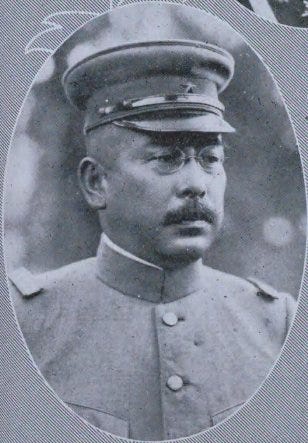
The life of a rikishi was hard. Before the Dai Nippon Sumō Kyōkai was formed, rikishi all had to have day jobs, or be capable of supporting themselves outside of sumo. The rikishi were all amateurs. Though they may have sometimes been paid, or at least won prize money, no one was in it for the money. Fame, yes. But not money.
Sumō was also becoming a kind of ghost of the past - a place where Tokugawa culture seemed to be going to die. It was held on temple grounds and at local festivals. Tournaments were irregular affairs. There was no standard rule book. Suffice it to say, in most cities by 1925, due to diminishing numbers of rikishi willing to make the sacrifices required, the kakuriki kyōkai were fading fast.
Osaka still had one. It was lively, but it was clearly not viable for long term survival. Then the news arrived that the Tokyō organization had been allowed to make sumō a professional sport with full time rikishi, and even had an emperor’s cup to award! Osaka’s organization wanted in on the deal. So they proposed a merger with the Dai Nippon Sumo Kyōkai. These “East-West” negotiations began in 1925, and eventually, in 1926, the Osaka group was included. A standard set of rules was adopted. Market research and test tournaments began.
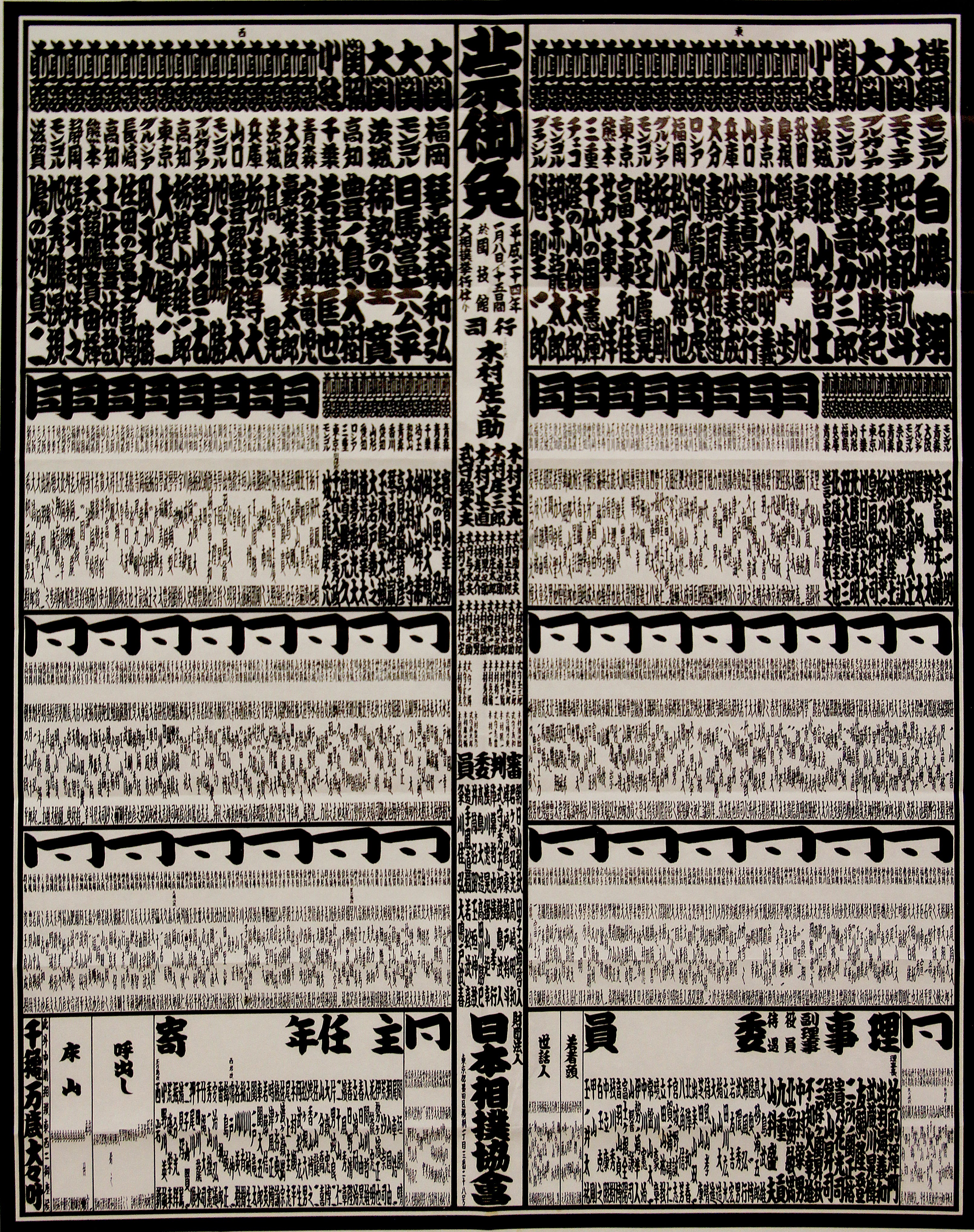
The Sumō Kyōkai needed to know if they could draw an audience and recruit rikishi. So they did demonstration tournaments in Kyōto, Osaka, and Nagoya to find out if a national sumō organization was viable. As it turns out, it was a popular entertainment. Preparations got underway for the first bashō in Tokyo. Among the most important, a banzuke had to be prepared.
Hand-written by gyōji, the banzuke, or ranking sheet, used in Sumō tournaments is nearly a sacred document. It has multiple functions, and has long been a part of sumō tradition. Audience-members use the banzuke to see at a glance who is participating at every rank. They can compare the rikishi in terms of ability based on congruence or rank. They can see new rikishi entering each rank, and those who have dropped down to a lower rank after winning less than half of their matches in the previous tournament (tournaments are known in Japanese a bashō). The banzuke does not give a daily schedule of matches. It is designed to provide overall ranking information. As such it is the basic document for understanding each bashō, and the changes from the last bashō. These banzuke thus become a long-term record that allow comparison over time, a general equivalence of skill in each rank, even over time, and a kind of cheering sheet for fans of specific rikishi.
But banzuke are not just for sumō. Japanese society has used them to provide deep information in short form for a myriad of different social, policial, and economic issues over time. In the late Tokugawa Period (1601-1868), there was a kind of banzuke boom. Nearly everything that occurred was ranked in banzuke. Famous Kabuki onnagata (men playing women’s roles) were ranked. Restaurants were ranked. Swimming spots, fireworks displays, even moon-viewing locations, not to mention local theaters and even specific Geisha were subject to the judgment of the banzuke.
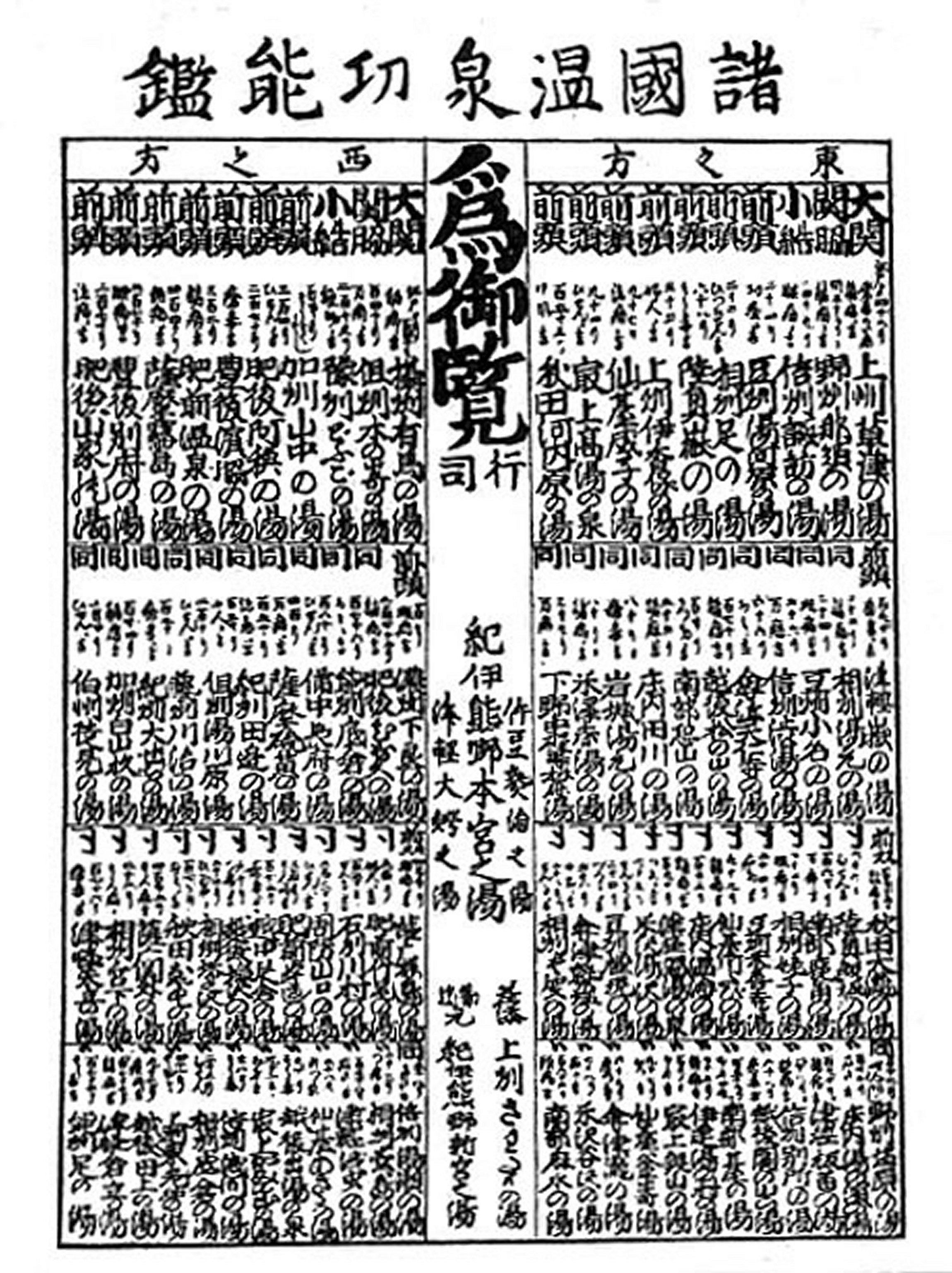
This did not just die out with the end of the Tokugawa, either. Even as late as 1923-1924, banzuke were used to rank the areas of Tokyo and Yokohama in terms of the degree of damage suffered during the Great Kantō Earthquake.
Banzuke have been used for nearly everything. Sumō has preserved this tradition - and no doubt added to it in its never-ending quest to become a modern sport that is also the archive of Japanese tradition.
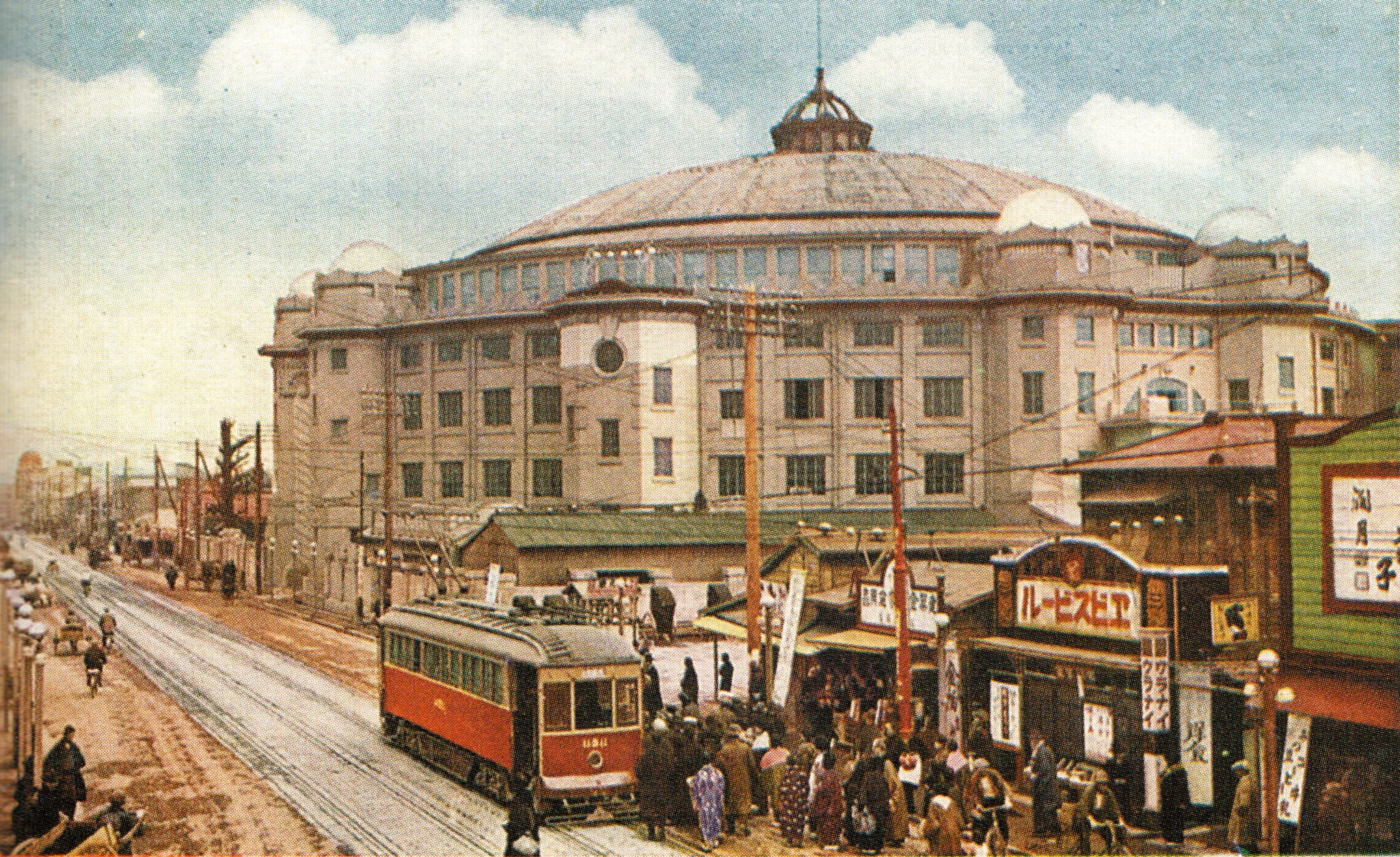
Thus it should be no surprise that there was a banzuke published for the first official bashō of the Dai Nippon Sumō Kyōkai in January, 1927. It happened, of course, in the second Kokugikan in Ryōgoku, which was completed in 1920. During preparations for this bashō, the Dai Nippon Sumō Kyōkai ran into a problem. They had to create a banzuke, but it was not clear what the ranks of the rikishi actually were.
This is not to say that the divisions and ranks did not already exist. In the Makuuchi (highest) division, rikishi were already divided into Maegashira, Komusubi, Sekiwake, Ozeki, and Yokozuna, as they are today. Rikishi in both Tokyo and Osaka held these ranks. But test matches held after the merger of the Osaka and Tokyo sumō groups led to a key question - were the rikishi in each rank really of the same ability?
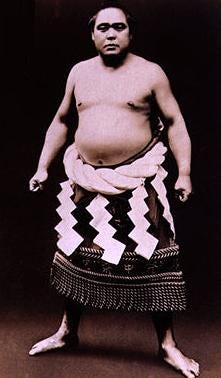
The test matches held in Kyoto and Nagoya between East (Tokyo) rikishi, and West (Osaka) rikishi showed that despite holding the same ranks, rikishi from the West group were generally less skillful, or at least less likely to be victorious, than their East group counterparts. This may be the reason that during bashō today, rikishi are assigned to either the East or the West team, and the West team has an unofficial, but inescapable, reputation for being the weaker of the two. Tsune no Hana, for example, the East side Yokozuna (Grand Champion) who won the first Emperor’s Cup in 1925 did so by defeating every opponent: a zenshō yushō: eight victories in a row.1 His ultimate opponent in the test tournaments (and the first official tournament) was Miyagiyama, the West side Yokozuna, trained in Osaka. Miyagiyama won only 3 of his 8 matches in the Kyoto test tournament - a disappointment that led to some question - not about him; his rank was unassailable, but about the relative ranking of those in the West side ranked below him. Their lack of victories only deepened that concern.
Since it was not clear that a Maegashira #5 from Osaka, for example, had the same ability as a Maegashira #5 from Tokyo, the banzuke problem was real. What if they produced a banzuke based on the pre-Sumō Kyōkai ranks, and the West team lost the majority of their matches. Not only would that not be fair, it would make for a pretty boring bashō. To solve the problem, the founders decided that, aside from the two Yokozuna, the banzuke would not be organized by rank, but by the I-Ro-Ha system used to organize hiragana - sort of alphabetical order - though hiragana are syllabic characters. So for the first tournament of modern Sumō, ranks were dispensed with, and rikishi were placed in the order that their names might come up in a dictionary. Following that bashō, the original ranking system returned, though with somewhat more confidence that it placed rikishi in the correct ranks.
In 1927, bashō seem to have consisted of a total of 8 matches, rather than the 14 that top-ranked rikishi must endure in 2026. In may ways it is fair to say that 100 years of history has made sumō more difficult: a trend that seems to run in opposition to the general effect of historical and technological change on many other professions.
Ikeda, Masao. Sumō Hyakunen No Rekishi : Shashin Zusetsu (100 Years of Sumo History in Pictures). Nihon Tosho Sentā, 2014.
Seidensticker, Edward. Low City, High City: Tokyo from Edo to Earthquake. 1st ed. A Borzoi Book. Knopf, 1983.
Silverberg, Miriam Rom. Erotic Grotesque Nonsense : The Mass Culture of Japanese Modern Times Asia Pacific Modern. University of California Press, 2006.
Tourist Map of Tokyo : Showing All Points of Interest to Tourists, Also Electric Tram Lines with Names of All Car-Stops / Issued by Japan Tourist Bureau. Japan Tourist Bureau;, 1923. American Geographical Society Library, University of Wisconsin-Milwaukee Libraries. https://collections.lib.uwm.edu/digital/collection/agdm/id/34143/.
Wakamori, Tarō. Sumō No Rekishi to Minzoku (Sumo History and The People). Kōbundō, 1982.
Yamamura Eiji. The 300 year history of Sumo, Honjo and the Magnetism of Ryogoku, through an Economic lens . Nippon Hyōronsha, 2025.
This series should be an English language book! I don’t know that there is one focusing on “modern” Sumo’s formative era in the Taisho. I would buy that book!
Fascinating stuff. I always wondered about the EastWest divide.